
Music
Improvisation
Guides
Practical techniques, structured approaches, and honest perspectives on developing your improvisation practice.

Latest articles

A Classical Pianist Tried Jazz Improvisation for 90 Days
What a structured 90-day experiment revealed about learning to play without a score
One musician with no background in improvisation documented what actually happened when she committed to structured free-play sessions over three months.
Read article
Six Adult Beginners Attempted Group Improvisation with No Prior Experience
A six-week workshop revealed where group improvisation breaks down for adult beginners
A community music program ran a six-week improvisation workshop for adults who had never played in an ensemble. The results were uneven and instructive.
Read article
An Improvisation Curriculum That Did Not Work as Planned
When an improvisation-first curriculum reduced student retention and what the redesign revealed
A guitar teacher redesigned his intermediate course around improvisation principles. Student retention dropped. Here is what the data suggested and what he changed.
Read article
Performance Anxiety and Improvisation: One Violinist's Account
A twelve-week experiment with improvisation as an anxiety management tool produced limited and context-specific results
A conservatory-trained violinist who experienced severe performance anxiety tried improvisation as a low-stakes practice environment. The outcome was more complicated than expected.
Read article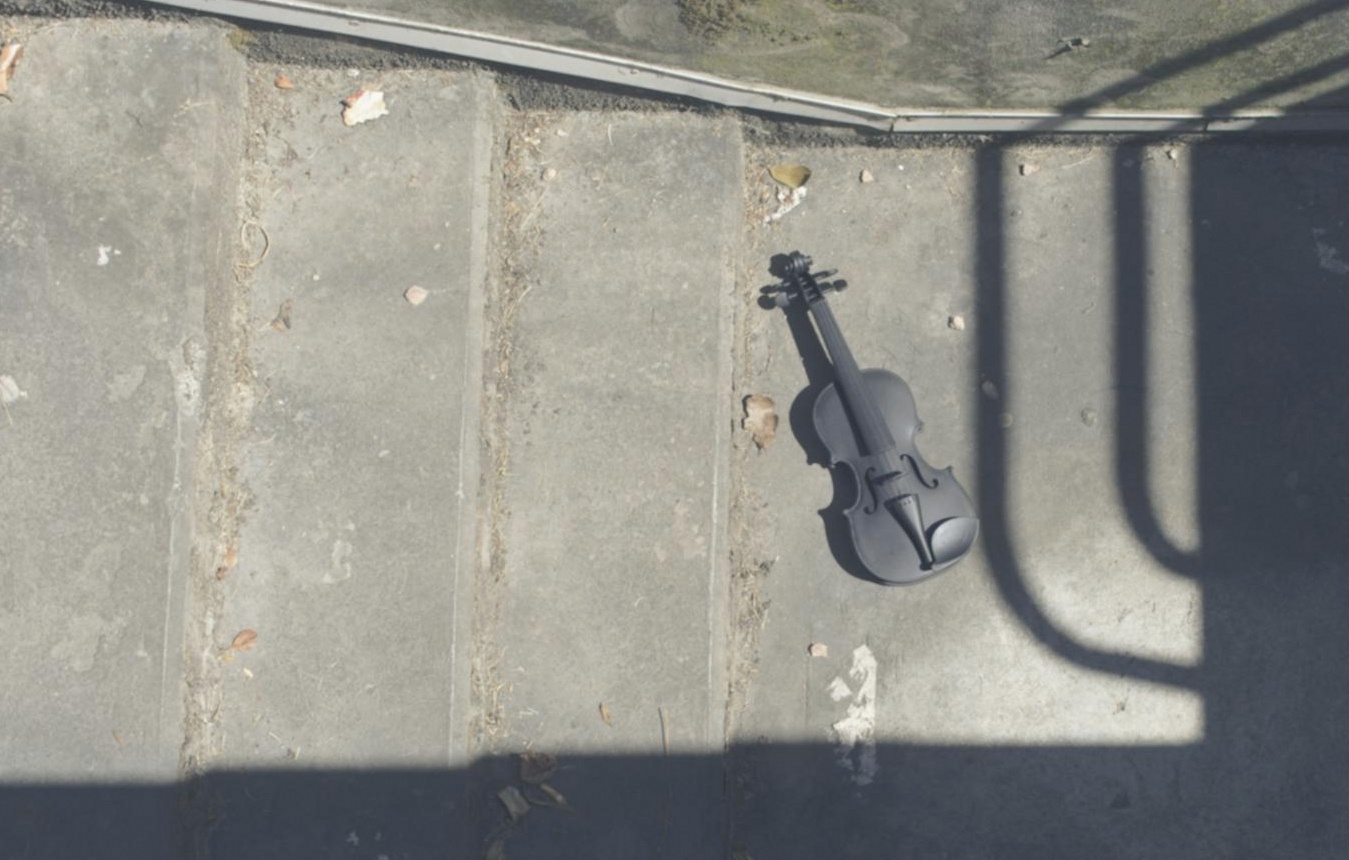
Too Much Theory, Not Enough Playing: A Case Study in Overcorrection
How strong theoretical knowledge created a specific and persistent barrier to real-time musical decision-making
A music theory student with strong analytical skills found that her knowledge was actively interfering with her ability to improvise. The process of working through that took longer than expected.
Read articleFrom the research journal — peer-reviewed perspectives on improvisation
What Jazz Musicians Know About Real-Time Decisions That Business Training Ignores
The neuroscience of improvisation has a direct operational application — if you look past the music metaphor.
Music improvisation research reveals how skilled performers process uncertainty differently — and what that means for teams making fast calls under pressure.
Behind the Spontaneity: How Professional Improvisers Actually Prepare
Spontaneity is the output. The input is methodical, repetitive, and rarely discussed.
The backstage reality of music improvisation contradicts the myth of pure spontaneity — and the preparation method has measurable implications for creative teams.
Group Improvisation Studies Reveal an Uncomfortable Truth About Team Listening
The bottleneck in group performance is almost never individual skill.
Research into ensemble improvisation shows that most group errors originate not from poor individual skill but from a specific failure in collective attention.
How Improvisers Handle Mistakes — and Why the Recovery Matters More Than the Error
The mistake is rarely the problem. The response to it usually is.
Professional musicians treat errors as navigational data rather than failures. The recovery protocol they use has a direct read-across to operational resilience.
About this resource
Guides built from practice, not theory
Bonusfront publishes structured guides on music improvisation — covering ear training, harmonic thinking, rhythmic approaches, and the mental habits that separate deliberate practice from repetitive noodling.
Each article addresses a specific problem that players encounter at different stages. The focus is on what actually changes how you play, not on motivational framing or abstract encouragement.
The journal section covers peer-reviewed research with direct relevance to how musicians learn, adapt, and develop improvisational fluency over time.
About the author