
How Improvisers Handle Mistakes — and Why the Recovery Matters More Than the Error
The mistake is rarely the problem. The response to it usually is.
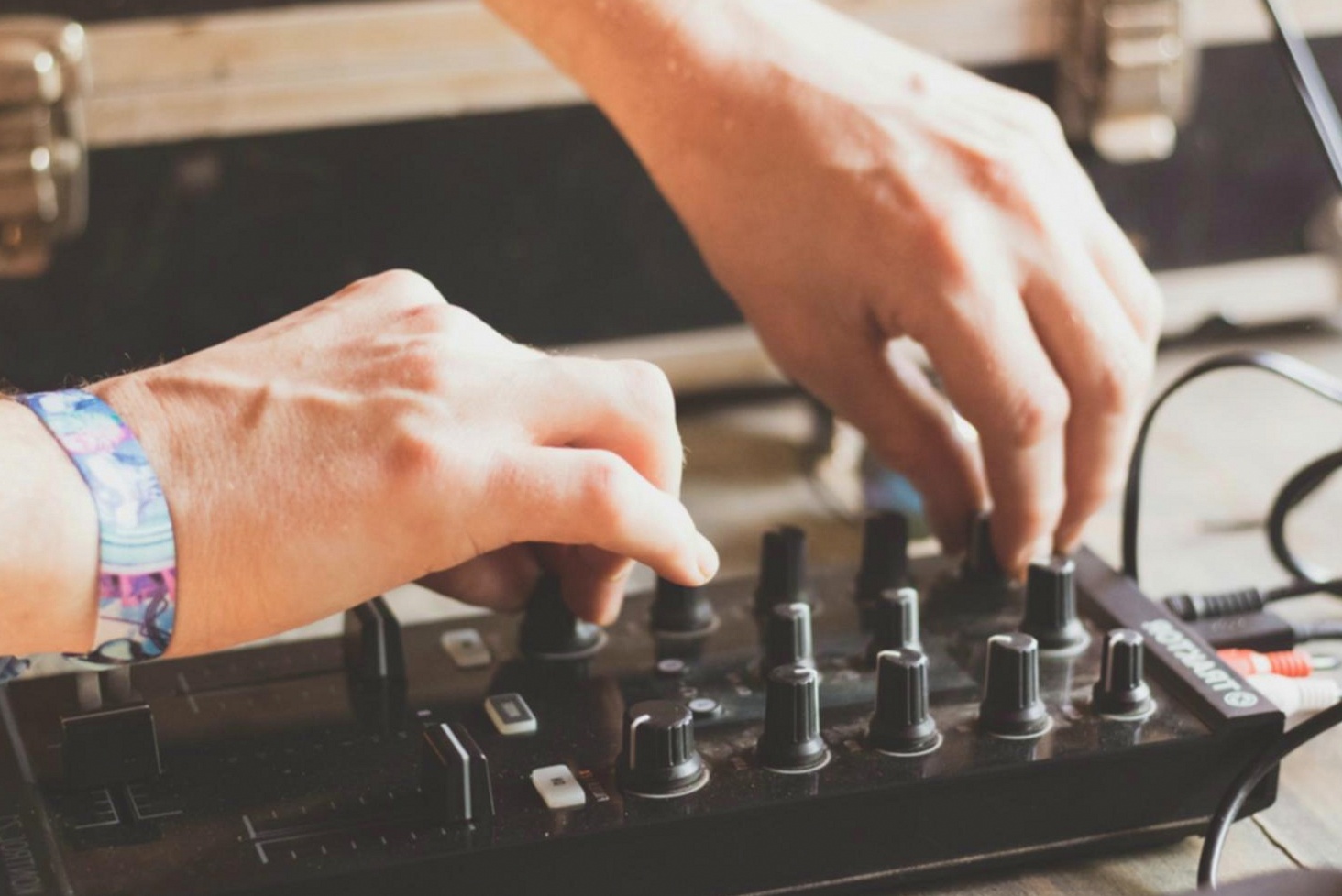
Herbie Hancock famously described a moment in a 1964 Miles Davis concert where he played a wrong chord. Davis responded by playing notes that made Hancock's mistake sound intentional. The error was absorbed into the performance rather than corrected against it.
The mechanics of musical error recovery
Improvisation pedagogy distinguishes between 2 error types: execution errors — wrong notes, missed timing — and framing errors, where the player signals distress rather than continuing. The second type is consistently more disruptive to ensemble performance than the first.
What this looks like in operational terms
When something goes wrong in a live business context — a client presentation, a product launch, a service failure — the visible response to the error often causes more damage than the error itself. Teams that freeze, over-explain, or escalate prematurely signal instability to stakeholders.
The improviser's protocol is specific: acknowledge internally, adjust the next move, do not break the frame. This is not about hiding problems. It is about maintaining the functional state needed to resolve them.
Organizations that build this into incident response training — rather than leaving it to individual temperament — tend to recover faster. The skill is teachable. It requires roughly 3 to 4 structured scenario rehearsals before it becomes reliable under pressure.